
There’s an unspoken rule for eldest daughters in many Indian families: carry everything, expect nothing, and never put yourself first.
I followed it for years.
Until I turned thirty —single, steady, and finally choosing my own joy—and realised something quietly revolutionary:
I was never the problem.
“The eldest daughter carries the family’s dreams, disappointments, and expectations—long before she ever learns what her own are.”
The Weight We’re Handed Early
There is a particular kind of weight that settles on the shoulders of the eldest daughter.
It isn’t announced. It isn’t acknowledged. It’s simply assumed.
You become the responsible one.
The emotional buffer.
The fixer.
The one expected to absorb crises, compromise endlessly, and remain steady no matter the cost.
For years, that was me.
I was taught—explicitly and otherwise—that love meant sacrifice, and duty was the ultimate virtue. If something went wrong, the responsibility somehow traced its way back to me. If I was unhappy, it was because I hadn’t tried hard enough to be the perfect daughter, sister, or woman.
My needs were invisible. My compliance was not.
From Anchor to Afterthought
Then something shifted.
I turned forty.
I was single. I was financially independent. I was living with my grandmother—my quiet, comforting sanctuary—while my parents lived nearby. I had work I enjoyed, stability I had built, and a growing sense of peace.
And suddenly, I didn’t fit.
A woman who hadn’t followed the prescribed script was difficult to categorise. No husband. No children. No conventional milestones to measure success by. Just contentment and autonomy.
The narrative changed.
I was no longer “the strong, dependable daughter.”
I became “the one who hasn’t settled down.”
My happiness turned into a warning sign.
I still remember a Diwali gathering where an aunt, after a polite pause, said with a sigh:
“You’ve done so much for this family, beta—but what’s the use if you’re still alone? You’ll regret this later.”
In that moment, years of caregiving, financial support, and emotional labour evaporated. None of it mattered. Only the absence of a wedding album did.
That was when it became clear:
my worth had always been conditional—tied to usefulness and compliance, not to who I was.
Choosing Myself — Without Apology
That invisibility became my turning point.
I had a choice:
shrink back into the role that made others comfortable, or step fully into the woman I was becoming.
I chose myself.
The most difficult—and most necessary—realisation was this:
I am not the problem.
The problem was a system that demanded self-erasure in the name of family harmony.
A culture that equates obedience with love, and guilt with belonging.
Rebuilding myself wasn’t dramatic or overnight. It was slow, intentional, and deeply internal.
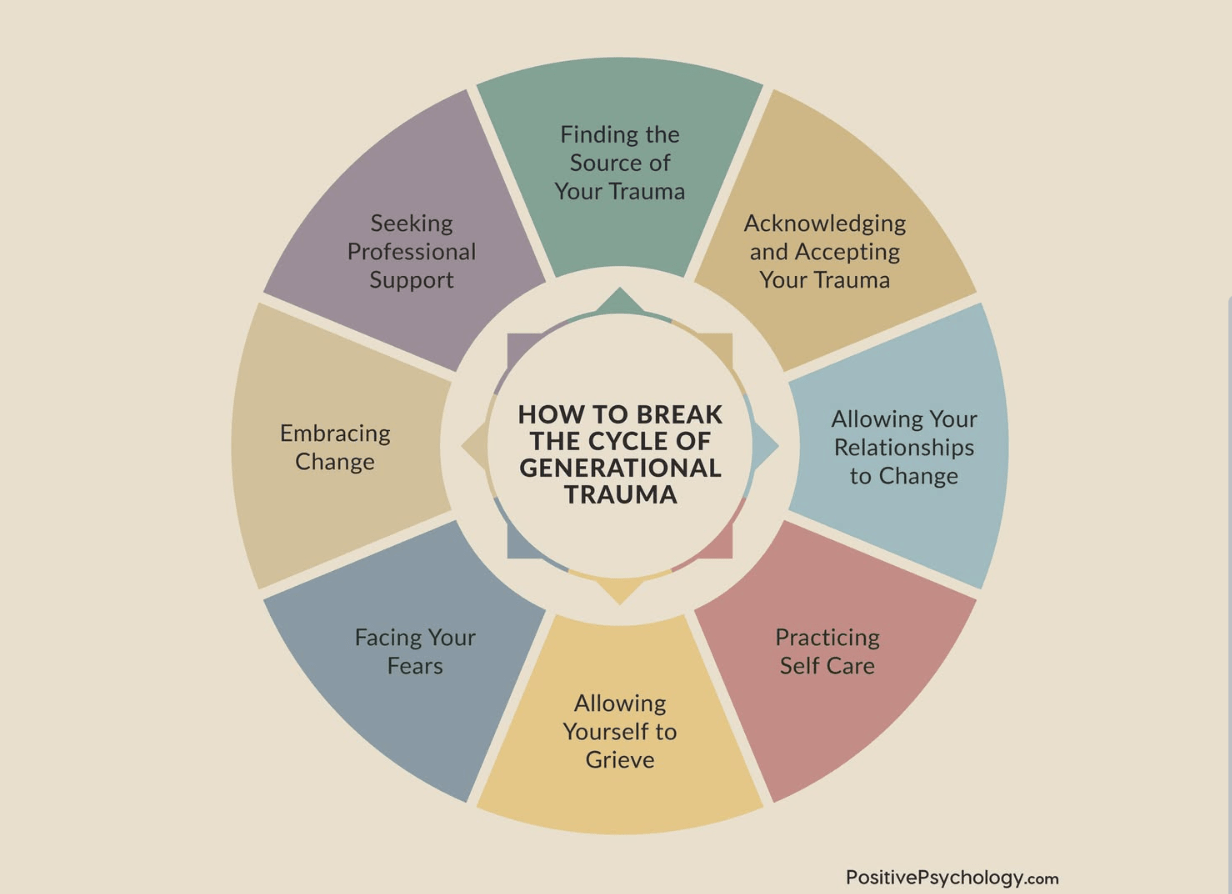
How I Rebuilt My Sense of Self
1. Boundaries
I started small. I stopped taking late-night calls. I said “no” without justification. I ended conversations that turned dismissive or toxic.
This wasn’t rebellion. It was survival.
2. Finding My People
I chose friendships where I was seen—not for what I did, but for who I was.
People who never asked why I was still single. People who celebrated my choices without interrogation.
3. Choosing Peace Over Approval
I stopped outsourcing my worth.
My happiness became my compass—quiet mornings, meaningful work, dinners with my grandmother—regardless of how uncomfortable that made others.
As Gloria Steinem said:
“The truth will set you free. But first, it will piss you off.”
It did.
And that anger became fuel—the kind that burns away years of guilt and fear.
If This Sounds Like You
If you’re reading this and feel seen—if you’re the exhausted elder sibling, the family anchor, the woman judged for choosing an unconventional life—please hear this:
You are not broken.
You are brave.
You get to decide:
-
how much access others have to you
-
what emotional weight you will no longer carry
-
what kind of relationship you want with your family—structured, distant, or none at all
Your well-being is not selfish.
It is essential.
Becoming the Woman I Once Needed
Today, I am strong, independent, grounded, and confident—not because life got easier, but because I stopped apologising for living it on my own terms.
If you know the weight of being both the anchor and the afterthought, you’re not alone.
My DMs are open.
Go live your life—fully, boldly, unapologetically.
The world doesn’t need a smaller version of you.
It’s been waiting for the real one.


