
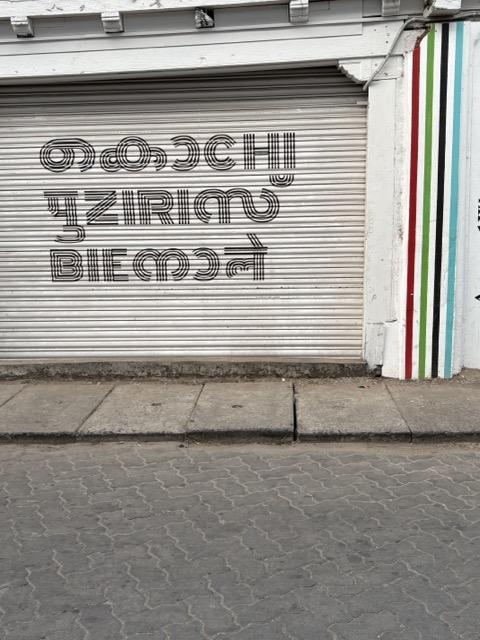
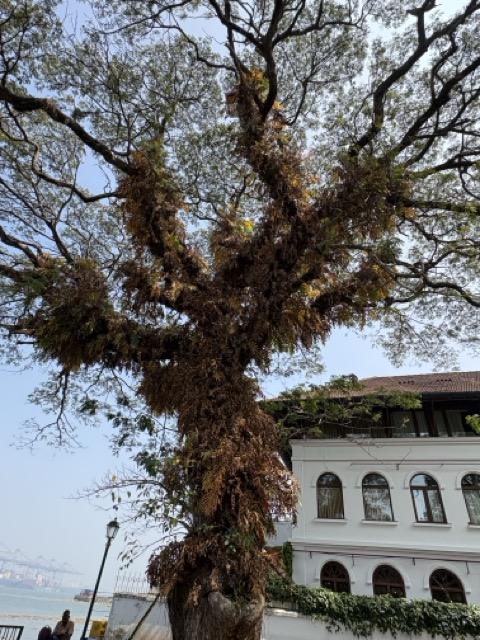
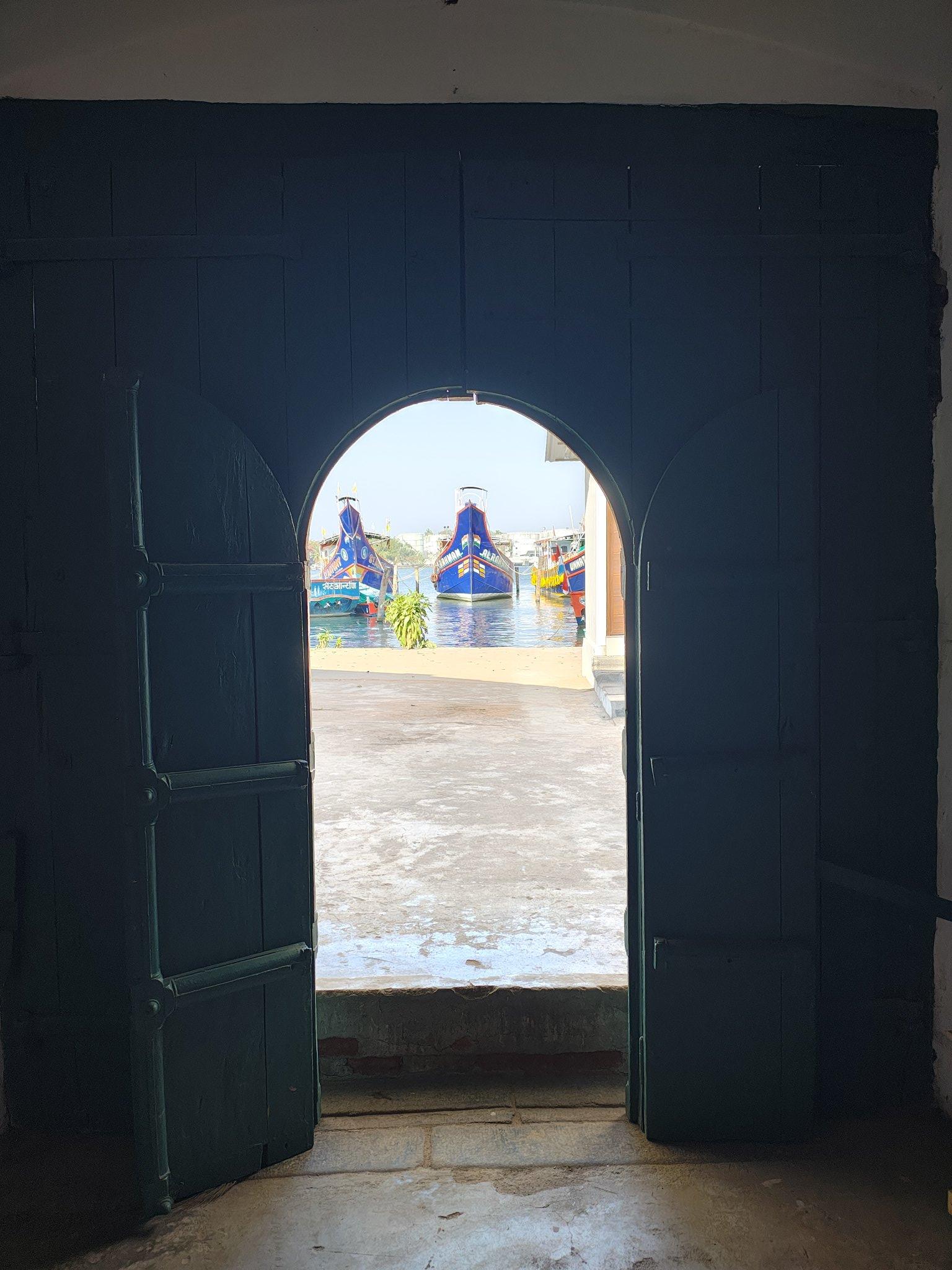
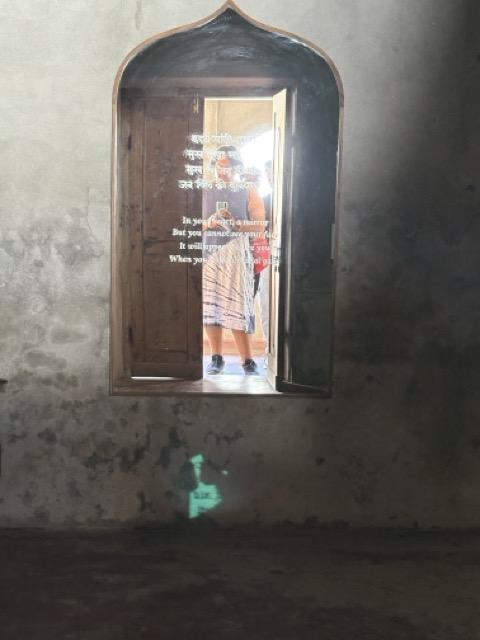
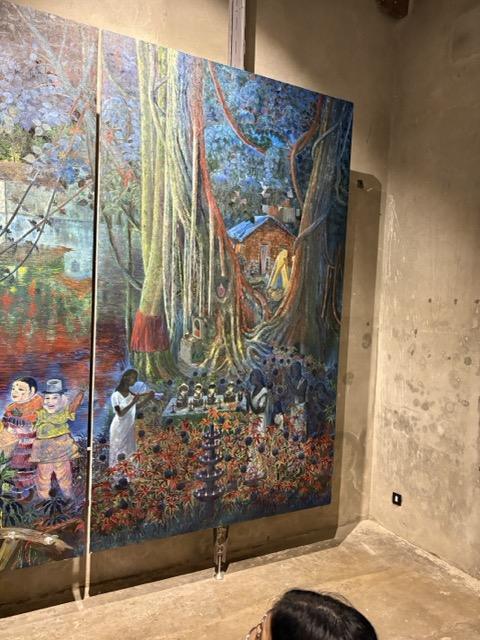
All I wanted was a break. Not a packed itinerary, not a checklist of must-see spots — just a pause. A few quiet days away from screens, deadlines, and the constant mental noise. I chose Kochi for that stillness. The sea air, the slower mornings, the promise of walking without rushing anywhere. What I didn’t plan for was timing my escape just as the Kochi-Muziris Biennale had begun.
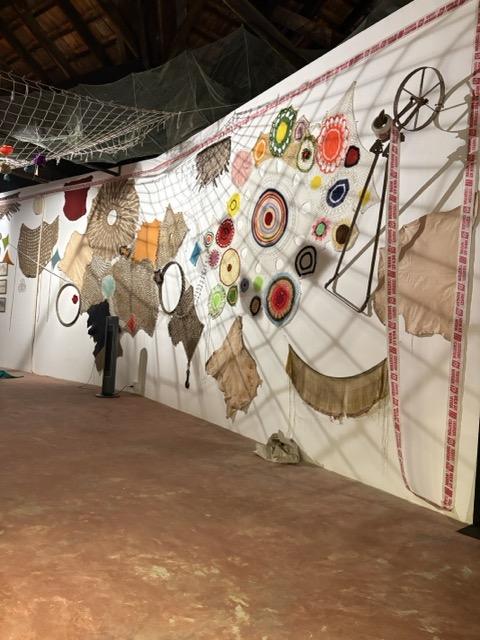
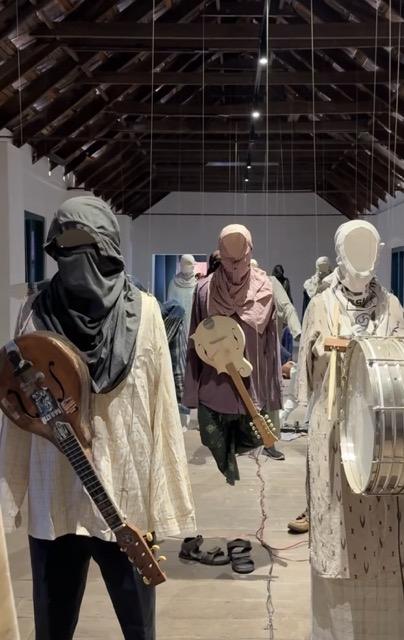
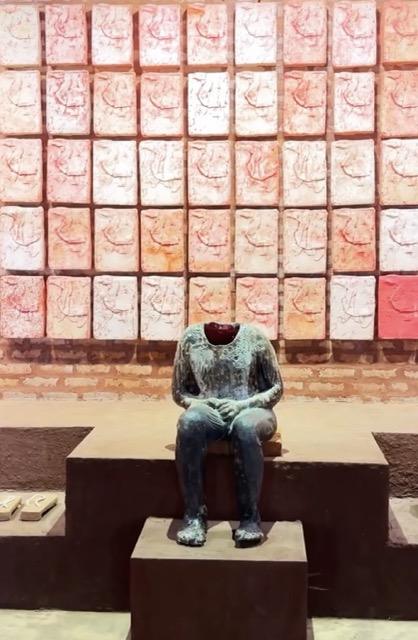
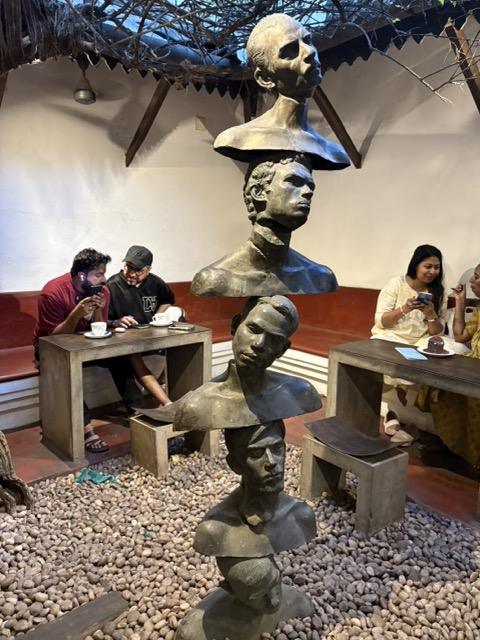
What started as a simple break turned into an unexpected immersion — art spilling into old warehouses, performances unfolding in the middle of ordinary afternoons, conversations sparked by installations still finding their final form. Kochi, already generous with space and silence, added another layer: one that asked you to pause, observe, and sit with unfinished ideas.
I went looking for rest.
I found it — enjoyed the three days at my own pace… Lots of walking, chilling at parks, cafes and roadside benches…
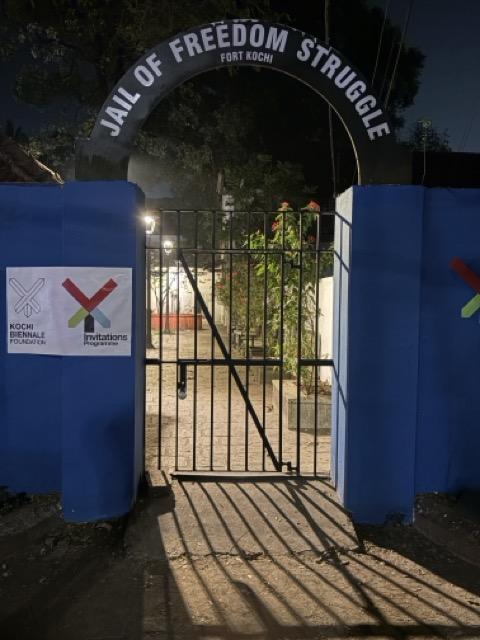
The Kochi-Muziris Biennale is not just an art exhibition—it’s an experience that unfolds across heritage spaces, old warehouses, colonial homes, and unexpected corners of Fort Kochi. It invites you to slow down, wander, observe, and sit with ideas that don’t always resolve neatly. That said, if you’re planning your trip around the Biennale, here’s an important heads-up.
A note before you plan your dates
When I visited, several installations were still being set up and a few venues weren’t ready yet. This is part of the Biennale’s evolving nature—but if you want to experience it at its fullest, it’s best to travel a few weeks after the opening, once most works are complete and the spaces fully come alive.
Inside the Kochi Biennale: What to Expect
🎭 Live performances (every single day)
One of the most underrated aspects of the Biennale is its daily live performances—music, movement, performance art, conversations, and collaborations. These are updated regularly on the Kochi Biennale Instagram page, so it’s worth checking daily and planning your visit around what’s on. You could walk in expecting a quiet gallery day and unexpectedly find yourself watching a powerful live performance. That unpredictability is part of the magic.
🏛️ Aspinwall House — the heart of the Biennale
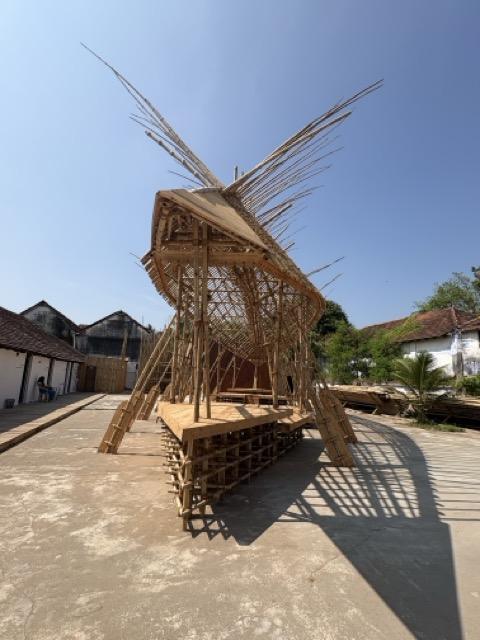
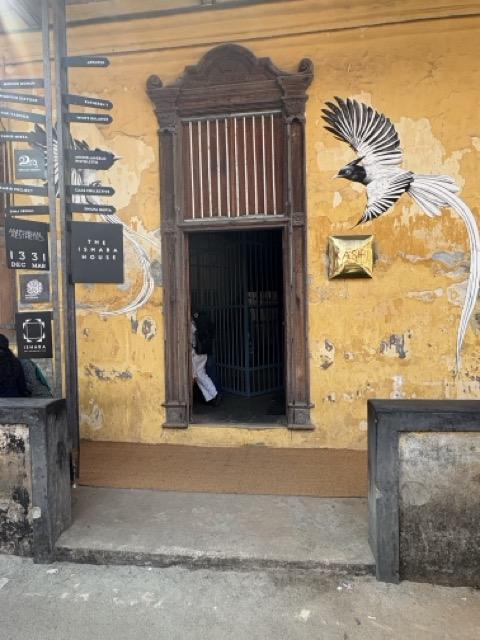
If you’re short on time and can visit only one venue, Aspinwall House should be it.This sprawling waterfront space is the main Biennale venue, and you’ll need hours here—not minutes. Multiple buildings, courtyards, sea-facing paths, and layered installations make it immersive and intense in the best way possible.
Tip: Wear comfortable shoes, carry water [there are plenty of water cans where you can refill yours from], and don’t rush. This is a space to linger and let yourself get lost…
Anand Warehouse
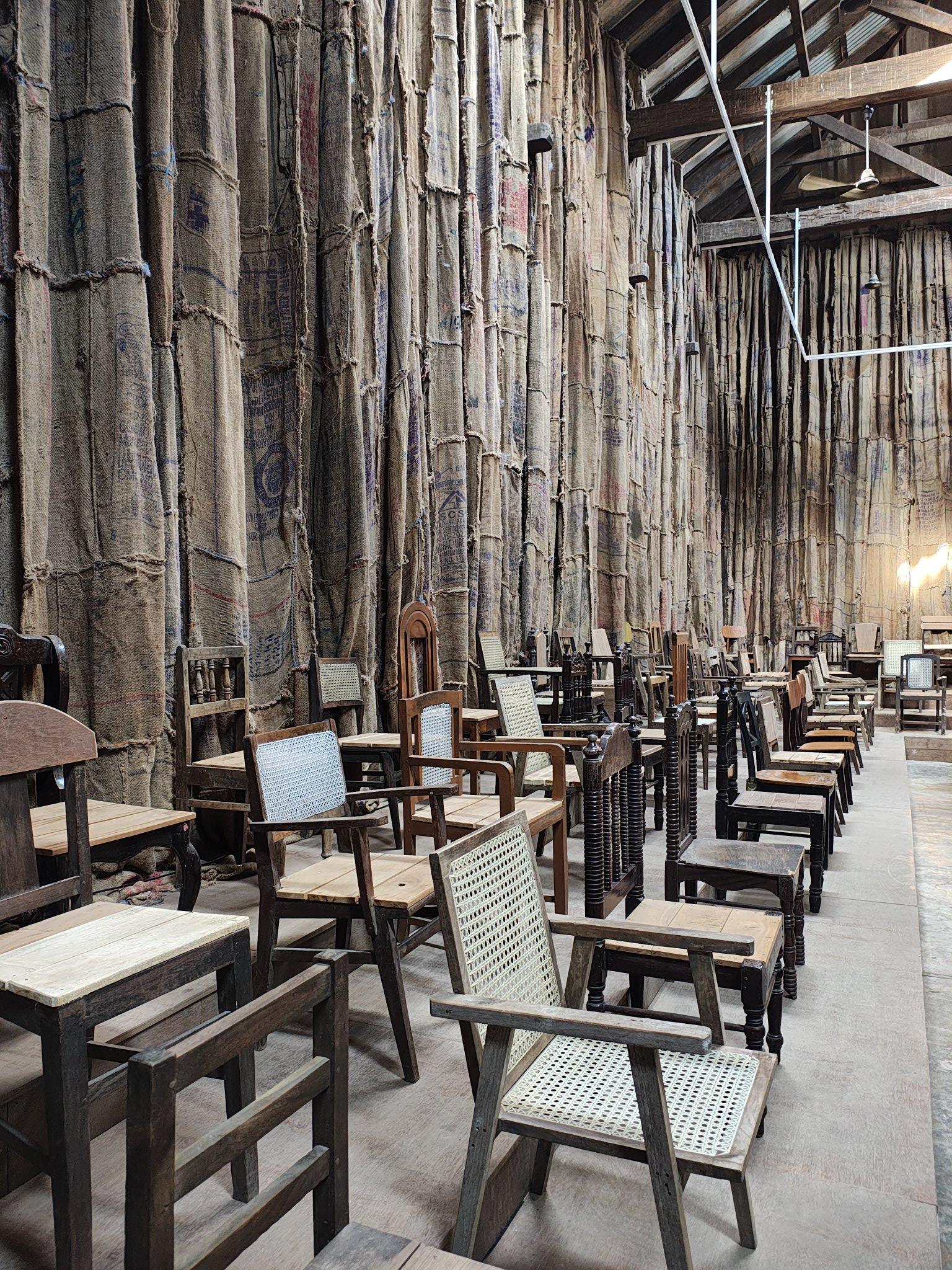
Raw, industrial, and atmospheric, Anand Warehouse is a fascinating contrast to the more open, colonial venues. The scale and texture of the space often elevate the artworks housed inside it. It is down the road from Aspinwall house, a few minutes walk.
Pepper House
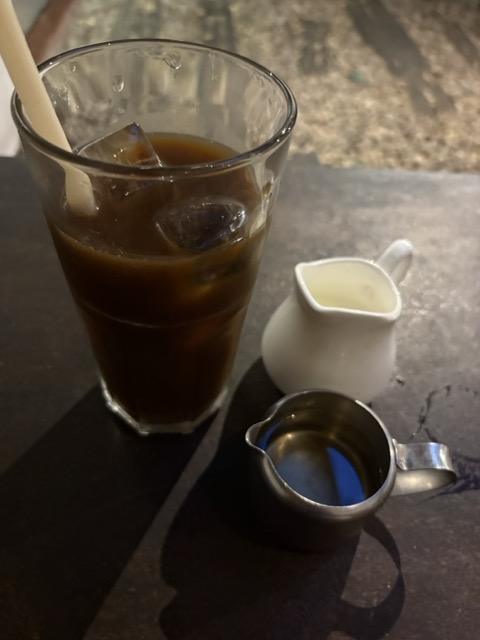
Pepper House feels gentler—both as a space and in pacing. Historically rich and visually calming, it’s a good midpoint venue when you want something reflective before diving back into heavier installations. There is also a cafe in here, where you can put your feet up and grab a coffee or snack.
Venues that weren’t ready (during my visit)
Some beautiful spaces were still closed or under preparation, including:
- David Hall
- Bastion Bungalow
- Wellington Estate
- Durbar Hall
All of these are known to be stunning Biennale venues, so if they’re open by the time you go, absolutely include them in your itinerary.
Beyond the Biennale: Things You Must Do in Kochi
🎭 An evening with Kochi Folklore Odeum (Highly recommended)
If there’s one experience outside the Biennale you should not miss, it’s this: The Kathakali Folklore Centre offers a 3-hour cultural performance that includes:
- Kathakali
- Theyyam
- Kalaripayattu (martial arts- different forms )
Ticket: ₹1200
Duration: 3 hours
It’s immersive, educational, and deeply rooted in Kerala’s performance traditions. Even if you’ve seen snippets of these art forms before, watching them in this setting adds context and depth.
Slow evenings in Fort Kochi
Kochi rewards slowness. After a day of art-hopping:
- Walk along the Fort Kochi streets
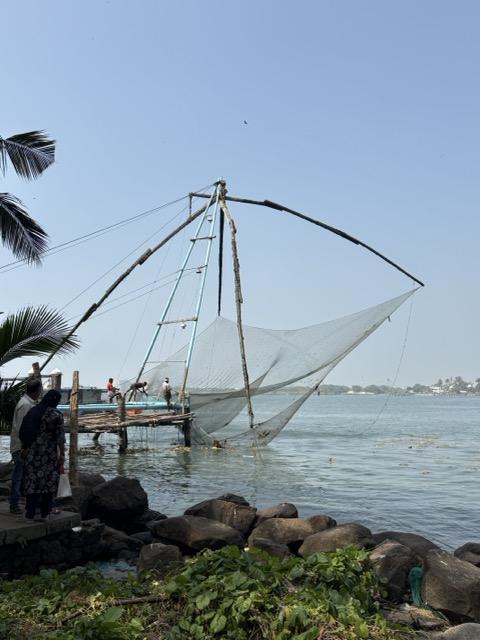
- Watch the sunset near the Chinese fishing nets
- Sit at a café with no agenda other than observing life go by
You don’t need a packed checklist here. Kochi works best when you let it.
Fort Kochi has a way of slowing you down without asking permission. Unlike cities that demand your attention, Fort Kochi gently invites it. You walk its streets not to get somewhere, but simply because walking feels good. Time stretches here — mornings drift into afternoons, afternoons soften into long, golden evenings. The neighbourhood is layered with history, but it never feels heavy. Colonial-era buildings sit next to quiet homes, old walls wear their age gracefully, and everywhere you look there’s a sense of things having lived — and continuing to live — without performance.
And then there are the cafés.
Fabulous, yes — but more importantly, unhurried.
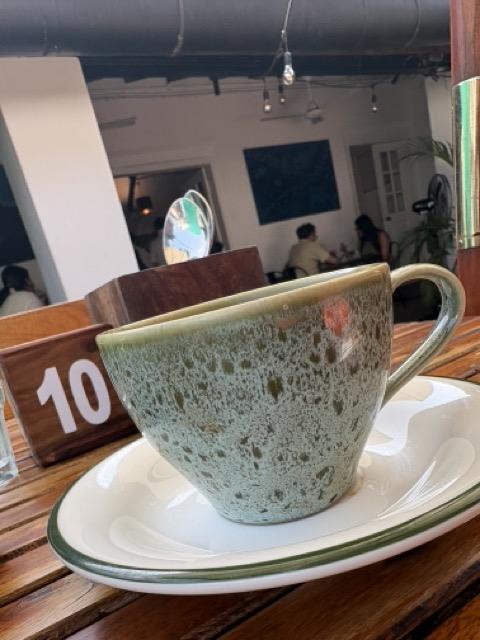
Cafés in Fort Kochi aren’t designed for quick refuelling. They’re meant for lingering. For reading a few pages too many. For conversations that wander. For sitting alone without feeling conspicuous. Whether you’re nursing a slow coffee, flipping through a book, or watching rain roll in unexpectedly, no one rushes you out.
Some cafés open out into courtyards filled with light and plants. Others hide behind heritage doors, cool and quiet inside. Many double up as cultural spaces — hosting conversations, small exhibitions, or simply becoming informal meeting points for artists, writers, travellers, and locals who’ve stayed longer than planned.
Evenings are when Fort Kochi truly exhales.
As the heat recedes, the streets come alive in the gentlest way. People walk without urgency. Conversations spill onto pavements. The air smells faintly of the sea, coffee, and something fried somewhere nearby. You might find yourself walking towards the water, watching the Chinese fishing nets silhouette themselves against the sky, or turning into a lane simply because it looks interesting.
There’s no pressure to do anything here.
Fort Kochi allows you to just be — between café stops, art venues, slow meals, and aimless wandering. It pairs beautifully with something like the Biennale, because once you step out of intense visual and emotional stimulation, the town absorbs you, grounds you, gives you space to process.
In Fort Kochi, rest doesn’t come from doing nothing.
It comes from doing things slowly — and doing them well.


